

Which cable is affected?
Ask the technician to distinguish the lift cable from an extension-spring containment cable. They have different jobs; you do not need to identify them yourself.
A frayed cable, a snapped cable and a cable off its drum are not the same repair. Get the condition, cause and full replacement scope explained before approving work.
Stop using a door with a loose or damaged cable. Keep clear of the opening, cable, spring hardware and bottom brackets. Do not lift or release it.
A cable can be damaged, displaced, or affected by another lifting-system fault. Describe what you have already seen; do not touch it or move closer to inspect it.
Ask what replacement is needed and whether the surrounding system contributed to the damage. A damaged lift cable is not a candidate for an improvised splice.
Ask whether the cable itself is damaged, why it lost its correct position and whether a reset or replacement addresses the cause.
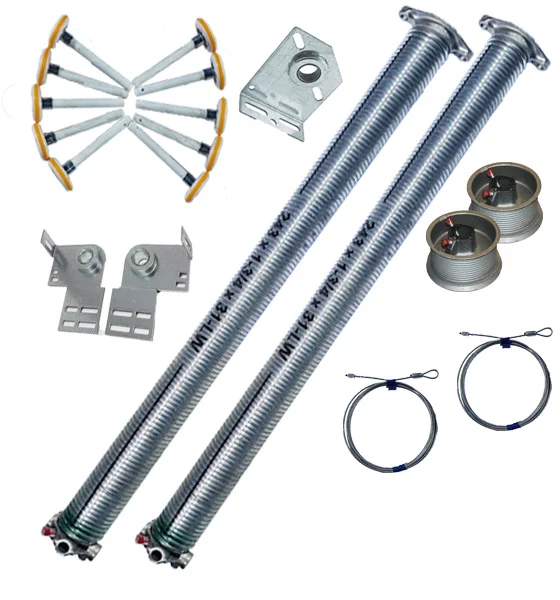
The proposed work should connect the observed damage with its cause. Ask for related findings before approving additional components.
Ask the technician to distinguish the lift cable from an extension-spring containment cable. They have different jobs; you do not need to identify them yourself.
Request an explanation of the cable condition and any related spring, drum, attachment or door findings. Do not assume the visible cable is the only problem.
The quote should identify the cable or cables, associated work, labor and professional checks. Ask why each replacement is necessary.
Technical background: DASMA system safety and Chamberlain cable-monitor guidance. No manufacturer affiliation or certification is implied.
The quote depends on whether the cable is damaged, displaced or both, which lifting system is installed and what related damage the technician finds. Ask for the cable or cables, labor, assessment terms and completion checks. Additional parts need their own explanation; a cable-only reset and a wider hardware package are not interchangeable quotes.
For the proposed Lake Forest 92630 coverage and local access questions, see the service area.
No. Loose and visibly broken describe different conditions. The cable condition and the reason it moved need professional assessment before a remedy is selected.
No. A spring containment cable helps restrain a failed extension spring. A lift cable connects the door to its lifting system. You do not need to inspect either one before asking for help.
Ask what caused the damage or displacement and whether related findings change the work. Replacing a visible component alone does not explain how the original fault will be resolved.
Stop using it if a cable appears loose or damaged. Keep clear and report where it stopped. Do not release, lift or close the door yourself.
Describe both without moving the door or touching the hardware. The cause and extent need assessment together; the off-track guide explains door-position and access questions, not a second remote diagnosis.
That depends on the condition and the cause. A damaged cable and an undamaged cable displaced from its working position require different assessment. Ask the technician to explain the proposed remedy, related faults and professional completion checks. Do not put the cable back or operate the door yourself.
Ask which components were assessed, what condition was found and why each item needs replacement. Compare the complete parts and labor scope, not the price of one cable alone. A wider replacement package should not be assumed necessary without an explained finding.
Where did the door stop? Was a cable already visibly loose or damaged? Unknown is fine. Do not approach, measure or touch the hardware. A callback number is enough to start; the remaining details are optional.
Open 24/7 / 24 hours a day, 7 days a week.
Before a visit: confirm address coverage and availability, assessment terms and who can approve the work. An inquiry is not a booking.