
Broken springSpring guide
Does the quote cover one spring or both on a two-spring system? Are related findings, setup, balance and opener safety checks included? Is a higher-cycle option separate from the required replacement?
A spring replacement, opener repair and crooked door can involve very different work. Compare the full repair scope, visit charges and optional changes before deciding on a quote.
The fault, installed equipment and related damage determine the work. A parts-only price, a starting price and an installed repair total are not the same thing. The quote should state its assumptions and exclusions.
Ask which amount is firm and which depends on an on-site assessment. Use the repair-specific checklist below to compare proposals. For a price that applies to your door, describe the fault and confirm the assessment terms before arranging a visit. This guide is not a fixed-price offer.
These are questions for the repair provider, not instructions to measure, release or test a damaged door.
Does the quote cover one spring or both on a two-spring system? Are related findings, setup, balance and opener safety checks included? Is a higher-cycle option separate from the required replacement?
Has the door's mechanical condition been considered? If replacement is recommended, why is repair unsuitable, and what controls, safety devices and programming are included?
Is the cable damaged or displaced? What caused it, and does the quote explain the condition of the other cable, drums, rollers and counterbalance system without automatically adding replacements?
What is needed to secure the door, correct the cause and assess the track, rollers, cables and panels? If replacement is proposed, which parts cannot reasonably be repaired?
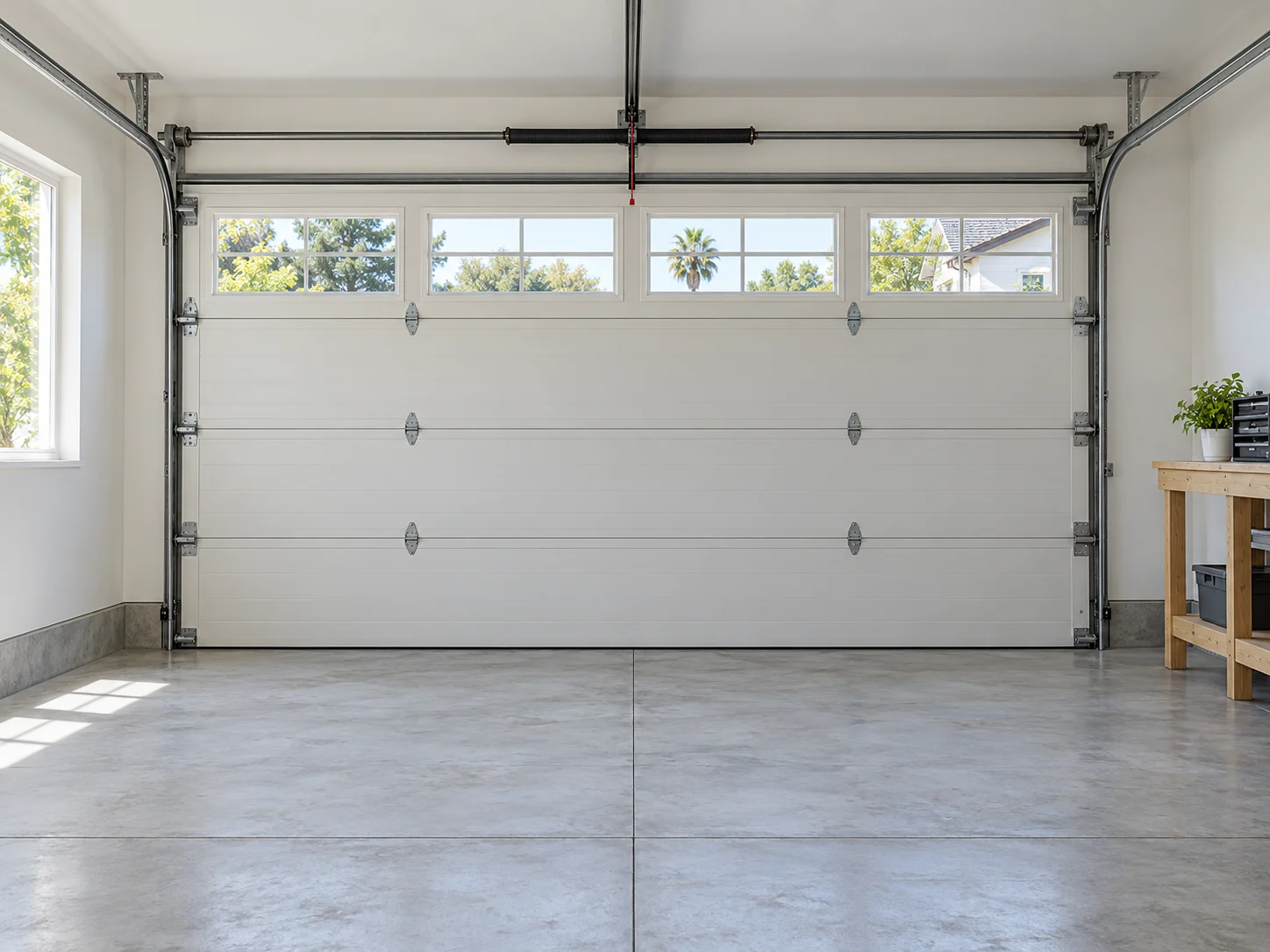
A failed part does not automatically mean a new door. On the other hand, structural damage, parts availability or repeated faults can change the sensible option.
A starting price may cover a limited task or a particular part. Ask for the assumptions and exclusions, including attendance, labor and related damage. Agree on the actual work before authorizing it.
An existing photo can help explain the problem, but it cannot establish every specification or hidden fault. Do not approach a damaged door or loaded hardware to take one.
Not solely because of its age. Condition, parts availability, safety features and the fault affect the decision. Ask for the reason behind repair or replacement and what either option includes.
The property ZIP, the door position, what happened and whether access or a vehicle is blocked. A known make or previous repair is useful, but not required.
Ask the provider to distinguish work required for the repair from optional improvements. You should understand the additional cost and benefit before deciding.
That depends on the provider's terms. Ask before booking what attendance or assessment costs, whether it is payable when no repair goes ahead, and whether it is deducted from an approved repair. Do not assume a visit is free or that a fee will be credited; confirm the actual terms first.
Ask what was found, why the extra work is needed and how it changes the total. Separate necessary related repairs from optional upgrades. Confirm the revised scope, price and permission to proceed before the added work begins. If work is deferred, ask about remaining operating restrictions.
Describe the problem or the part of a quote you want explained. Start with a callback number; ZIP, service choice and extra details are optional. Clarify assessment terms before arranging a visit.
Open 24/7 / 24 hours a day, 7 days a week.
Before a visit: confirm address coverage and availability, assessment terms and who can approve the work. An inquiry is not a booking.